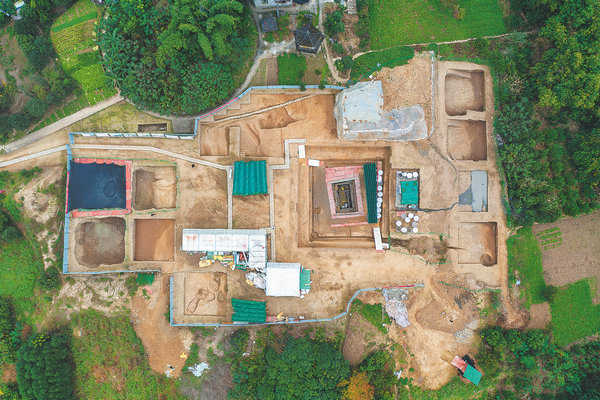
Western Han Dynasty Tombs
Introduction
The Western Han Dynasty Tombs, dating back to 206 BC-AD 24, are significant archaeological sites that offer insights into the burial practices, culture, and art of ancient China. The tombs are scattered across various regions, including Guangdong, Jiangsu, and Shaanxi provinces, and have yielded numerous artifacts that shed light on the customs and lifestyle of the era. These tombs are invaluable for understanding the socio-cultural dynamics of the dynasty, especially given their association with the nobility and the centralized governance structures set up by Liu Bang, the dynasty's founder.
Historical Background
The Western Han Dynasty followed the Qin Dynasty and was established by Liu Bang in 206 BC. It marked a period of consolidation and expansion, establishing the foundations for a unified Chinese empire. The dynasty was characterized by centralized administration, economic prosperity, and cultural flourishing. The tombs from this era are primarily associated with the aristocracy, reflecting the hierarchical social structures and practices of the time. Liu Bang's establishment of a centralized residence area for nobility near the emperor's mausoleum underscores the importance of these tombs in understanding the governance and social stratification of the dynasty.
Tomb Architecture
The architecture of the Western Han Dynasty tombs is a testament to the engineering prowess and artistic sensibilities of the period. These tombs often featured elaborate underground structures designed to house the deceased alongside their treasured possessions. The layout typically included chambers for the deceased, storage areas for burial goods, and sometimes even spaces mimicking living quarters, reflecting the belief in an afterlife where the deceased would continue to enjoy earthly comforts. The size and complexity of a tomb often correlated with the social status of the individual buried within, with more elaborate tombs indicating higher rank.
Burial Artifacts
Burial artifacts found in Western Han Dynasty tombs are diverse and abundant, offering a glimpse into the material culture and daily life of the time. Among the notable discoveries are bronze mirrors, pottery items, and ceramic chips. The bronze mirrors, in particular, are fascinating for their craftsmanship and inscriptions, which reflect the aspirations and beliefs of the people. These mirrors were often placed near the deceased's head or upper body, symbolizing a reflection on life and the desire for a prosperous afterlife. Additionally, pottery objects, such as those shaped like cakes found in Heyuan, provide insights into the symbolic and ritualistic aspects of burial customs.
Archaeological Discoveries
Archaeological excavations have unearthed significant finds in various regions, including Shaanxi, Guangdong, and Jiangsu provinces. In Shaanxi, over 80 bronze mirrors were discovered in a large-scale cemetery associated with the early Western Han Dynasty. These mirrors, preserved in excellent condition, provide valuable information on the craftsmanship and cultural practices of the time. Meanwhile, in Guangdong, the discovery of cake-shaped pottery objects adds a unique dimension to the understanding of funeral customs, emphasizing the symbolic importance of food in burial rituals. Each excavation site contributes to a more comprehensive understanding of the Western Han Dynasty's cultural heritage.








